
HOW TO GET THE BEST WEDDING PHOTOGRAPHS: ADVICE FROM A LONDON WEDDING PHOTOGRAPHER

Planning a wedding is unlike organising any other event. Most couples have never done it before, yet suddenly find themselves making decisions that shape one of the most meaningful days of their lives.
If you’re planning a wedding, understanding how photography works can make a huge difference to the images you take home. After photographing weddings in London and across Europe for more than a decade as a London wedding photographer, I’ve seen how small decisions around timing, light and logistics shape the final photographs.
The most beautiful images rarely come from complicated setups or elaborate direction. They come from creating the right conditions for the day to unfold naturally.
Here are a few things that help.
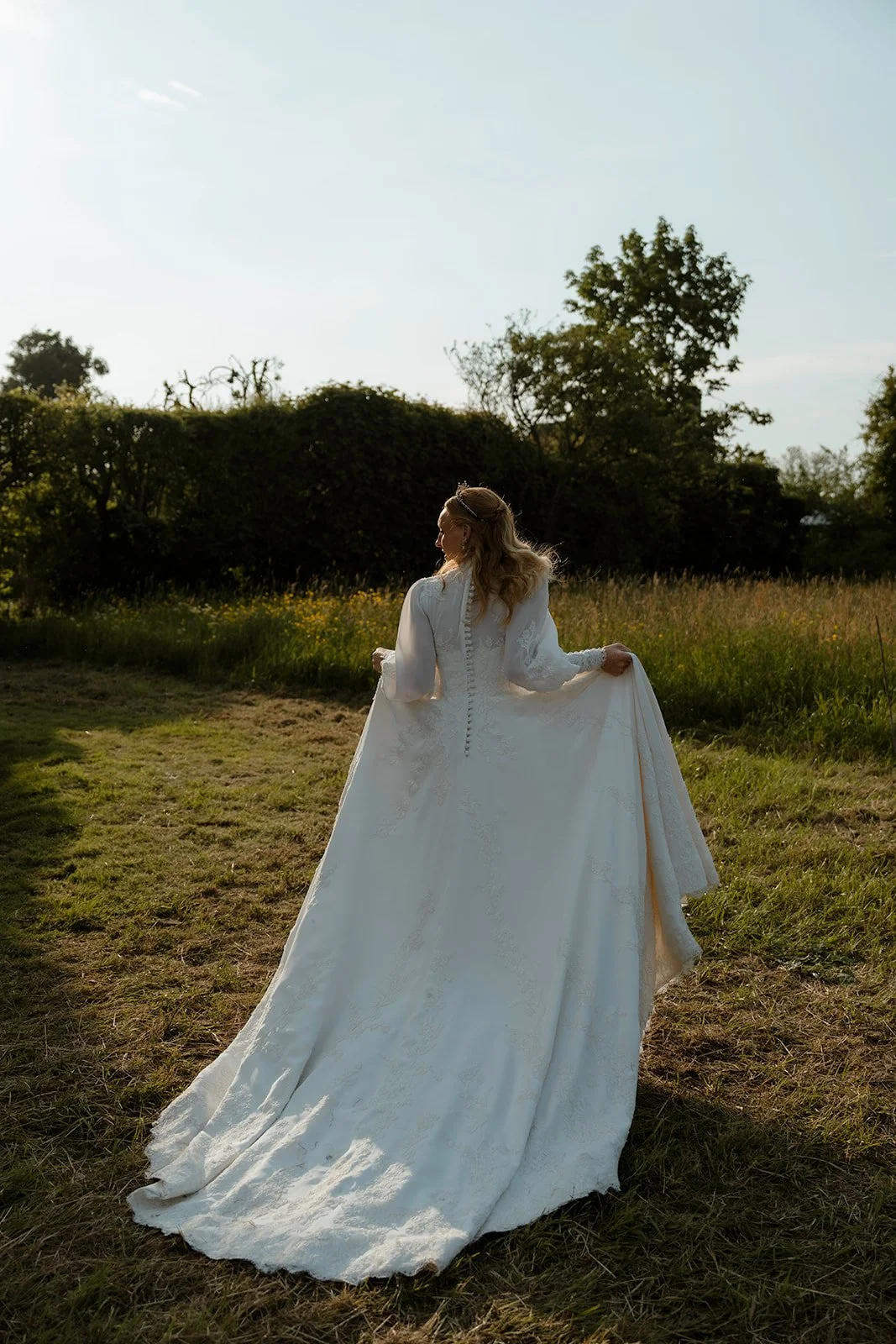
CHOOSING A WEDDING DRESS THAT PHOTOGRAPHS BEAUTIFULLY
The dress is often one of the first decisions couples make, and understandably so. It’s exciting. But it’s worth thinking about how the dress will feel after twelve hours of movement, conversation, dancing and celebration.
A dress that looks spectacular in a boutique or magazine editorial may not always translate easily into a full wedding day. Comfort matters more than most people realise. Being able to move freely, walk naturally and forget about the dress allows photographs to feel far more relaxed and spontaneous.
From a photography perspective, movement makes an enormous difference. When you can walk easily, explore a garden or wander through a field at sunset, the images naturally feel more alive.
Shoes deserve similar consideration. Weddings are long days. Wearing them in beforehand will make a noticeable difference by the evening. And if you’re planning outdoor portraits, heel guards or a second pair of shoes can be a very welcome addition.
PLANNING GROUP PHOTOGRAPHS

Formal group photographs are an important part of many weddings, and I’m always happy to accommodate whatever combinations matter most to you.
At the same time, it’s helpful to remember that these photographs do take time. The more group combinations we schedule, the less time there is for relaxed photographs of your guests interacting and enjoying the day.
As a general guide, around eight group combinations usually works well. Keeping the groups reasonably small also helps everything run smoothly. Larger groups tend to take longer to assemble, and there is always someone who has just wandered off to the bar.
If you can nominate a family member or friend who knows everyone to help gather people together, the process becomes much quicker and far more relaxed.
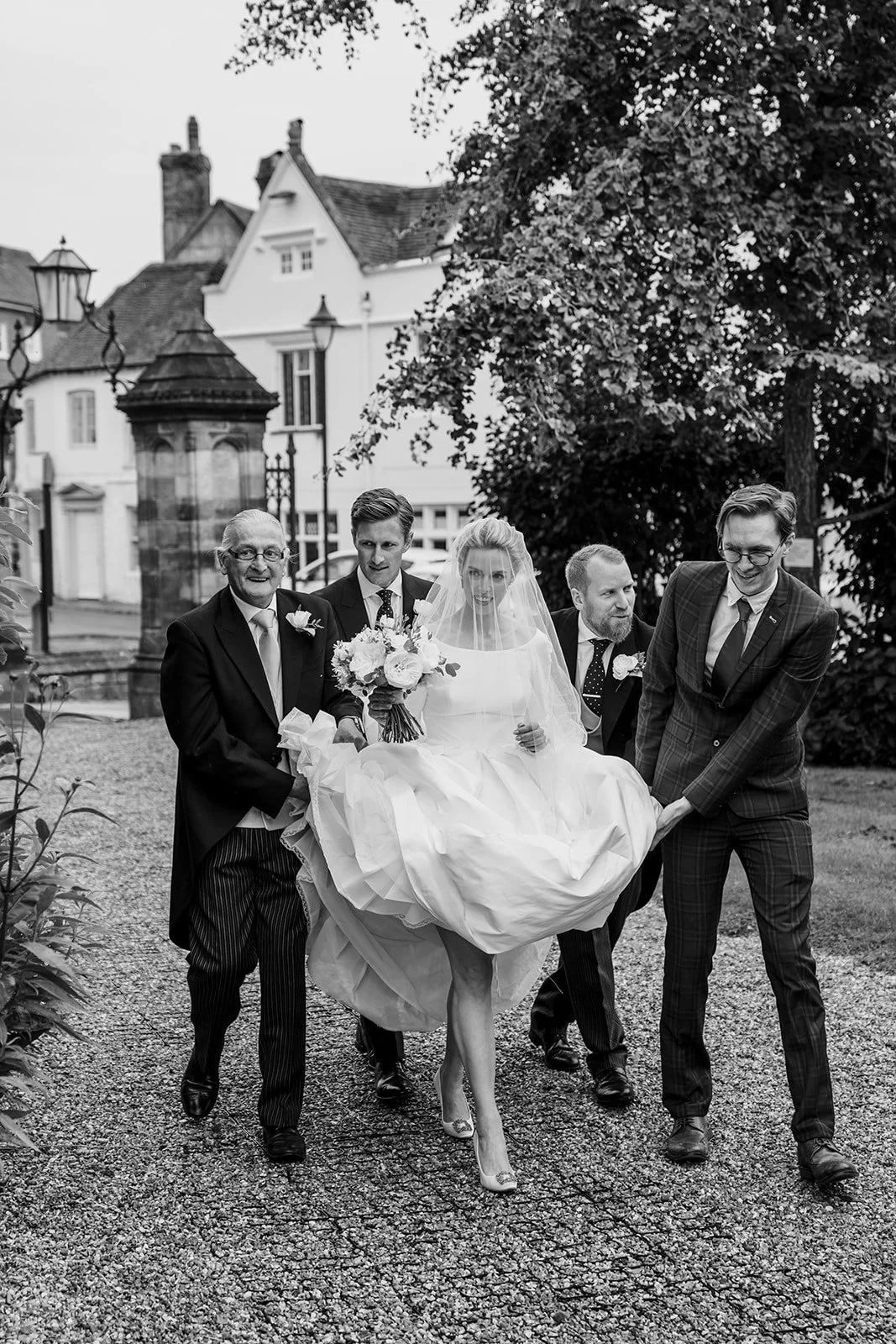
PREPARING FOR RAIN ON YOUR WEDDING DAY
The one thing no one can plan for.
Having photographed many English weddings over the years, I’ve learned never to assume a summer forecast will hold. The good news is that rain rarely ruins photographs. In fact, it can often create something memorable.
A few thoughtful preparations help enormously. Simple white umbrellas photograph beautifully. A shawl, coat or boots can make it easy to step outside for a few minutes without worrying about the weather.
Some of the most atmospheric photographs I’ve taken have been on wet days, when the light softens and everyone leans into the moment rather than trying to control it.
“THE PHOTOGRAPHS COUPLES TREASURE MOST ARE RARELY THE ONES THAT WERE CAREFULLY STAGED, BUT THE MOMENTS THAT UNFOLDED NATURALLY WHEN THEY WERE SIMPLY ENJOYING THE DAY.”
LIGHTING & VENUE CHOICE
Light shapes photography more than anything else.
While I’m very used to working in a wide range of environments, from historic churches to candlelit receptions, natural light tends to create the most timeless photographs.
If you have flexibility when choosing spaces, it’s worth thinking about where the light falls during the day. Rooms with large windows, neutral walls and space to move tend to create the most flattering and natural images.
For example, the room where you get ready in the morning often becomes one of the most photographed spaces of the day. A calm, light-filled room can transform those early moments.
Historic London venues often have beautiful natural light that works beautifully for portraits, such as The Ned.
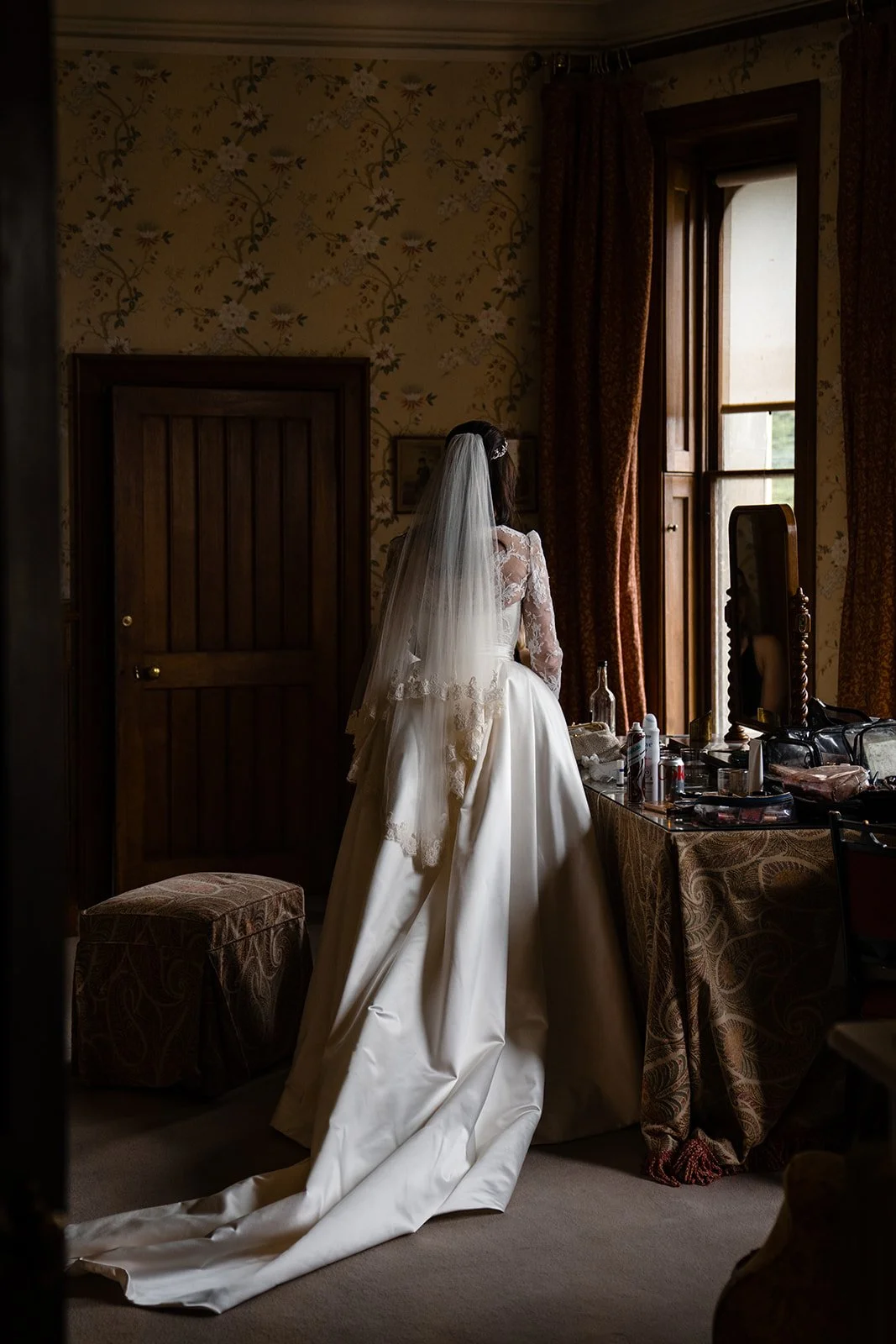
PLANNING YOUR WEDDING DAY TIMELINE
Timing plays a significant role in photography on the day and preparation is everything. Ideally we should speak early on to discuss the flow of the day, taking into consideration what time sunset is, how much time you want to allocate for family photos, and the experience you want to have on the day.
The golden hour window (around an hour before sunset) for couple portraits is always the ideal but that doesn’t always work with a wedding schedule and I never expect you to plan your entire day around the photography. If your schedule doesn’t fully accommodate this then we’ll look for micro opportunities throughout the day to capture different lighting moments and moods and to avoid photo fatigue. Couple photos at the end of the day, after the meal and before the first dance are often my favourite. You are both more relaxed by this point and it really shows in the photographs.
Winter weddings naturally bring shorter days, but they have their own atmosphere - candlelight, warmth and a sense of intimacy that feels very different to summer celebrations. But bear in mind if you are leaving the church after dark then the photos will be flash lit and have a different feel to them than a summer wedding.
The key thing is having the opportunity to talk through every step of the day to maximise photo opportunities without disrupting your day too much.
TRUSTING YOUR PHOTOGRAPHER
Most couples tell me they feel slightly nervous about being photographed. That’s completely normal.
My approach is always to guide gently rather than direct heavily. Often the best photographs happen when people stop thinking about the camera altogether. Whilst I am open to working to a small shot list if there things that have sentimental value, a photographer’s greatest work is when they are in the moment and focussed on what is in front of them.
And I am constantly watching an capturing every moment that it unfolds.
Occasionally I may suggest something that feels slightly unusual in the moment - stepping through a field, walking a little further than expected, or pausing somewhere seemingly incongruous. These small detours often lead to the photographs couples love most afterwards. And you are likely to get your dress laundered at the end of the day so don't worry about it getting a little dirtied on the day.
Trust and collaboration make this process far easier.
UNDERSTANDING CEREMONY RESTRICTIONS
This is usually only an issue in churches. There are no legal or official restrictions to shooting during a ceremony but every vicar is different in their approach to photographers. Some have had bad experiences in the past and are therefore very strict about movement and placing during the ceremony. It's hugely frustrating to hear on the morning of the wedding as I arrive at a church that no pictures are allowed during the ceremony. Some of the most touching and beautiful shots can happen during the ceremony and it is a real shame not to have this record.
I suggest a couple of things. Firstly find out if it's going to be an issue up front. Find out what the vicars concerns are. Reiterate to them that you have a very experienced photographer who does not use flash, has a camera with a silent mode and will be very very discrete and respectful. This should calm their fears.
If it continues to be a problem I usually ask my brides if they trust me to use my own judgement to disregard any regulations and capture the ceremony in the way that I would usually do. My priority is to you to capture your day as you want it.
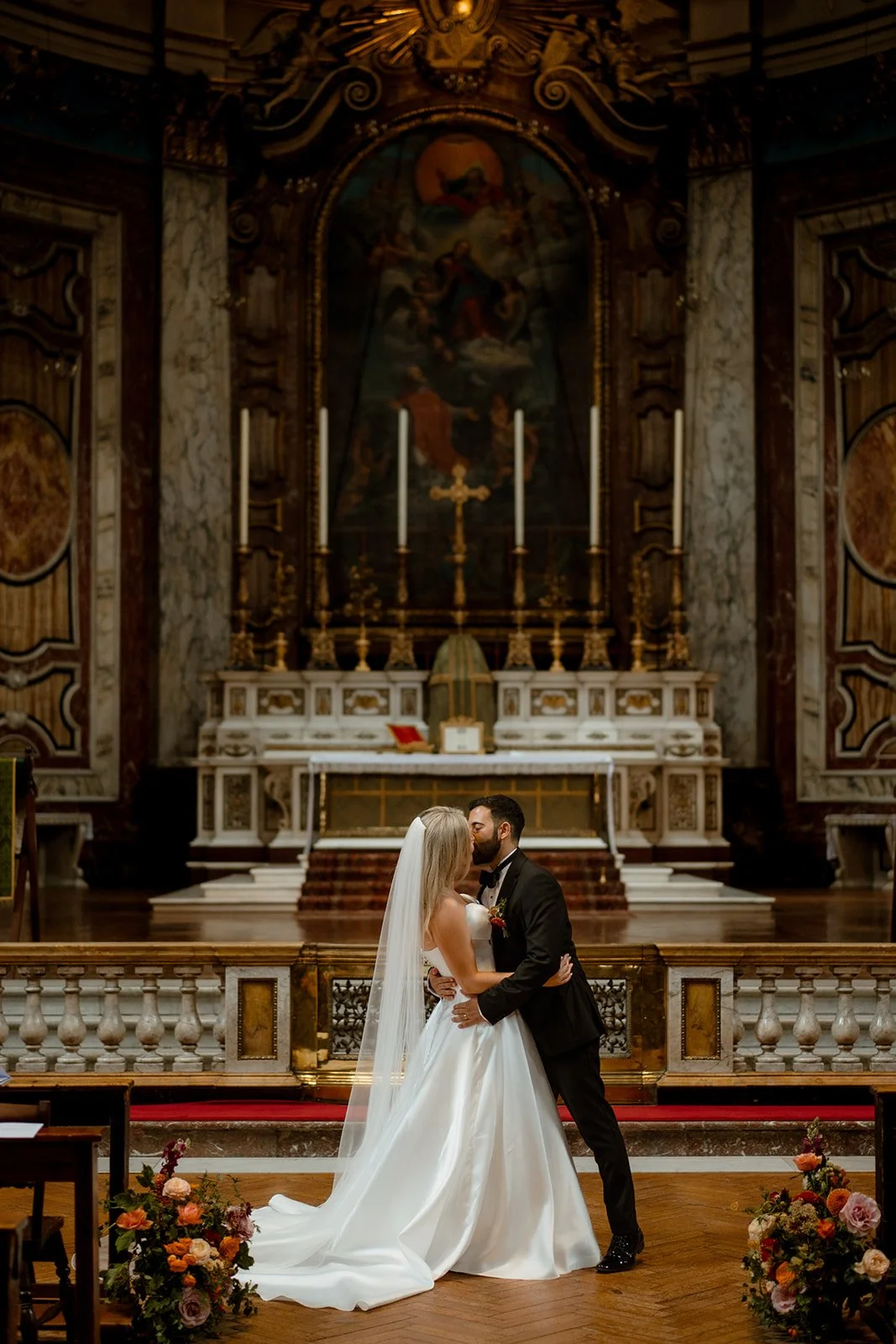
CHOOSING WHERE TO GET READY

When you have a number of girls, hair and make up teams and all their kit, space can get pretty crowded and messy. Try to think about getting ready in a larger space with good natural light. These pictures are some of the loveliest and most natural as you spend the morning with your closest girlfriends. If you are all spread across different rooms of the house getting ready it's hard for me to capture real engagement between you. There is nothing more lovely that the love and laughter of best friends preparing for a day like a wedding and I really want to capture that for you.
ALLOWING ENOUGH TIME IN THE SCHEDULE IN THE MORNING
Even if you have 5 hours to get ready, the last half an hour becomes unexpectedly busy. Plan for lots of extra time so that you have a chance to be ready in advance for a glass of champagne, last minute nerve calming and some photos. Bear in mind the time it takes to lace up a bodice, especially with a team of bridesmaids rather than an experienced dresser. There is nothing worse that feeling rushed on your way to the aisle. You want to turn up feeling calm and ready. I will usually want to leave ahead of you so allow time so that I can photograph you getting into your dress before I leave - allow more time than you think you will need. I'll usually spend about an hour and a half with you before I leave so there is plenty of time to capture all the details and preparation. A wedding day flows more easily with some breathing space.
COUPLE PORTRAITS
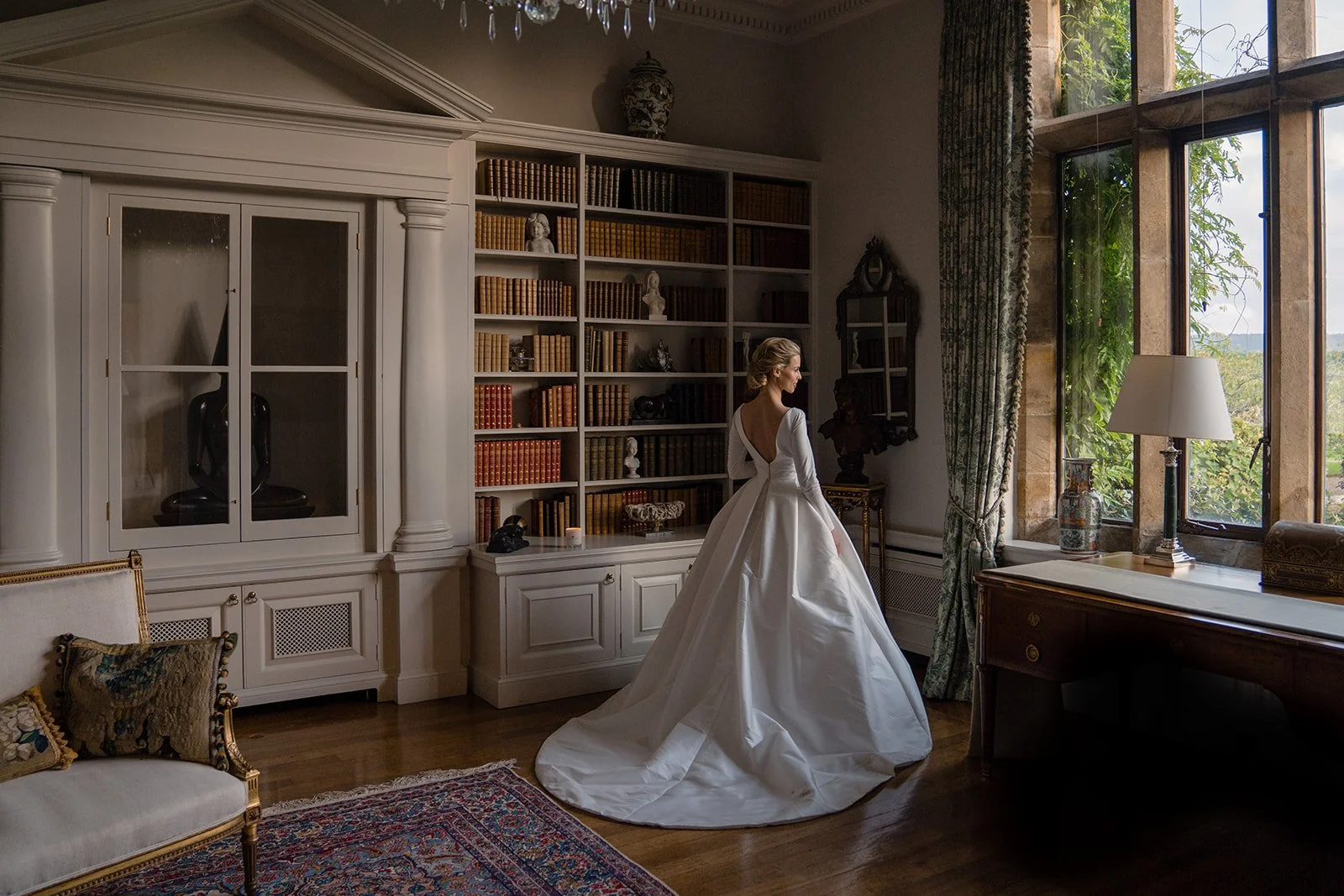
Many couples worry about this part of the day. The truth is that most people feel slightly uncomfortable being photographed at first. My role is to make that process feel natural and relaxed rather than performative. It is, however, a collaborative process. I encourage you to engage with me, and especially with each other. I need you to fully commit to the time that we take to go and create some beautiful shots and be patient with the fact that it takes a little time to achieve these shots (the last ones are usually the best!). A magazine editorial fashion shoot will spend all day to capture 5 images that are magazine worthy - we have 20 minutes to work the same magic so the more you put in the more you get out.
“BEAUTIFUL PHOTOGRAPHS COME FROM SPACE, LIGHT AND TRUST — THE REST TENDS TO TAKE CARE OF ITSELF.”
THE THREAD THAT RUNS THROUGH IT ALL
Every wedding is different, but one thing remains consistent. The photographs people return to years later are rarely the most elaborate or staged moments.They are the ones that hold something real - a glance, a gesture, the quiet connection between people who matter to one another. Creating the right conditions for those moments to happen is the most important part of wedding photography.
If you’re currently planning a wedding and thinking about photography, you might also find these helpful:
How to choose a wedding photographer in London (coming soon)
Documentary wedding photography explained (coming soon)
WORKING TOGETHER
I photograph weddings in London and worldwide, bringing a calm and experienced presence to days that are often emotionally and logistically complex.
If my approach resonates with you, you’re very welcome to get in touch here to talk about your plans.
HELEN
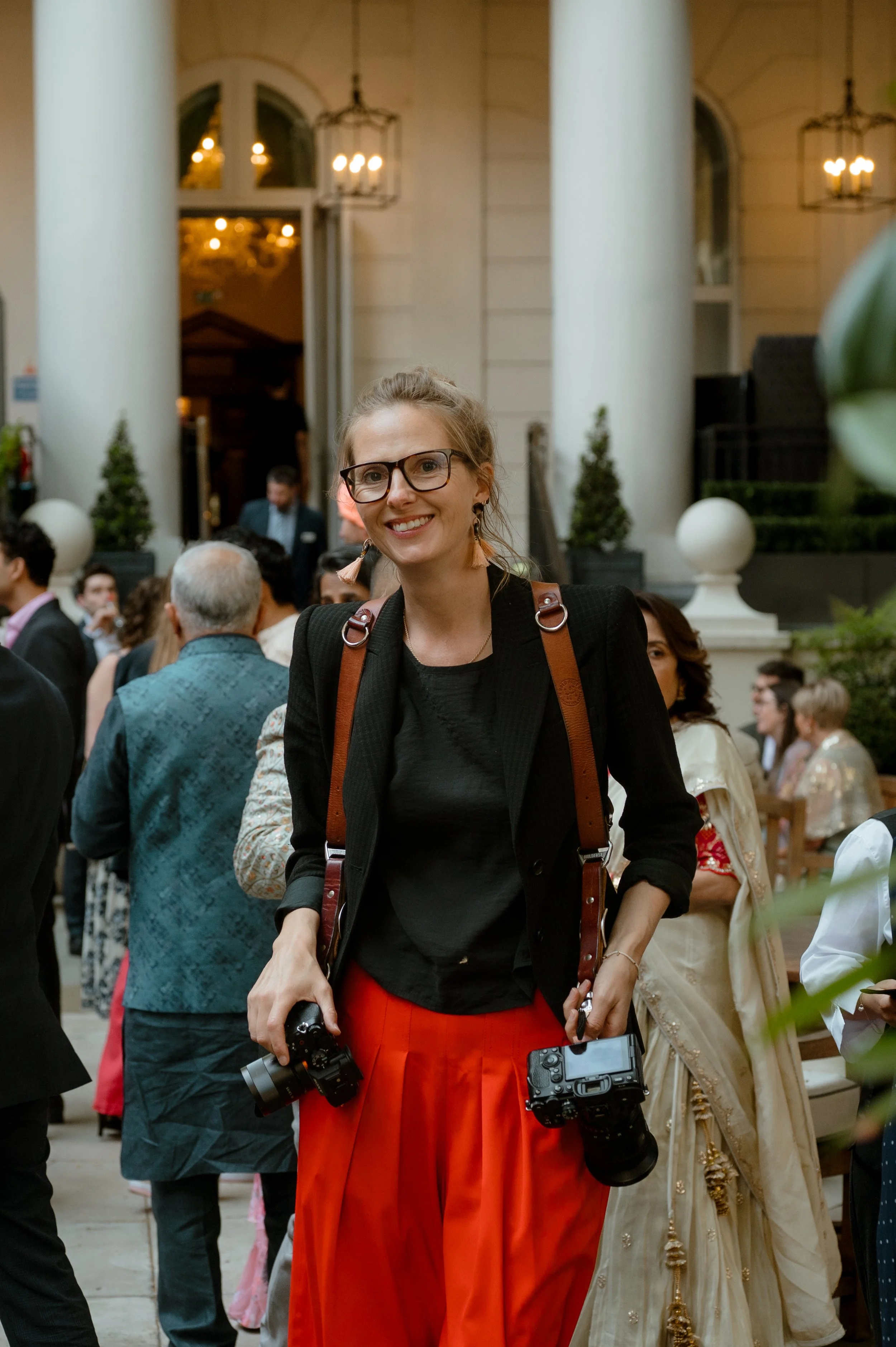
As a London wedding photographer, I specialise in a relaxed, documentary approach. I capture your day as it unfolds, with a focus on natural light, real emotion and quiet beauty. No awkward posing, no endless photo lists – just honest storytelling, with a touch of romance.
My style is rooted in documentary photography, but with an editorial sensibility. That means real moments, naturally captured, portraits that feel unposed and relaxed and details photographed with context and meaning
WEDDING PHOTOGRAPHY FAQS
-
Most couples book their wedding photographer around 12–18 months before their wedding, particularly for summer dates and popular venues. Booking earlier gives you the best chance of securing your preferred photographer and allows time to plan engagement sessions or discuss the photography timeline in advance.
-
Most full-day weddings typically result in 400–700 finished photographs. The exact number varies depending on the size of the wedding, the length of coverage and how many events take place throughout the day. The goal is always to deliver a complete visual story of the celebration rather than a fixed number of images.
-
This depends on a few factors - the size of your wedding party and the logistics of the day usually. A second photographer allows a second perspective on key moments such as the ceremony and allows for both bridal and groom preparations to be covered fully.
-
Most wedding photographers offer coverage ranging from around eight hours to a full day, depending on the schedule of the celebration. Many couples choose coverage that begins during preparations and continues through the first part of the evening reception. I usually help couples plan a timeline that allows enough time for natural portraits, guest moments and the atmosphere of the day to unfold without feeling rushed.
-
A short list for family group photographs can be helpful. For the rest of the day it’s usually best to allow the photographer to work naturally and capture genuine moments as they unfold.
-
The most flattering light is usually late afternoon or early evening, often called golden hour. If it’s possible to arrange time within the schedule to find a beautiful spot to capture the last rays of sunshine it can make for the most beautiful photographs.